
The largest jump-scare the film industry has encountered in 2025? The return of horror as a dominant force at the British cinemas.
As a category, it has notably exceeded earlier periods with a annual growth of 22% for the UK and Irish box office: £83.7 million in 2025, versus £68.6 million last year.
“Previously, zero horror films made £10 million in the UK or Ireland. Currently, five have surpassed that mark,” notes a film industry analyst.
The major successes of the year – a recent horror title (£11.4m), another hit film (£16.2 million), the latest Conjuring installment (£14.98 million) and 28 Years Later (£15.54m) – have all stayed in the multiplexes and in the public consciousness.
While much of the professional discussion highlights the unique excellence of prominent auteurs, their successes suggest something evolving between moviegoers and the genre.
“Many have expressed, ‘You should watch this even if horror isn’t your thing,’” says a head of acquisition.
“Films like these play with genre and structure to create something completely different, and that speaks to an audience in a different way.”
But beyond creative value, the steady demand of horror movies this year implies they are giving moviegoers something that’s greatly desired: therapeutic relief.
“These days, movies echo the prevalent emotions of rage, anxiety, and polarization,” notes a genre expert.
“Horror films are great at playing into people’s anxieties, while at the same time exaggerating them. So you forget about your day-to-day anxieties and focus on the monster on the screen,” says a respected writer of horror film history.
Amid a real-world news cycle featuring geopolitical strife, enforcement actions, extremist rises, and ecological disasters, ghosts, monsters, and mythical entities strike a unique chord with audiences.
“I read somewhere that the success of vampire movies is linked to economically depressed times,” states an performer from a popular scary movie.
“This symbolizes the way modern economies can exhaust human spirit.”
Historically, public discord has always impacted scary movies.
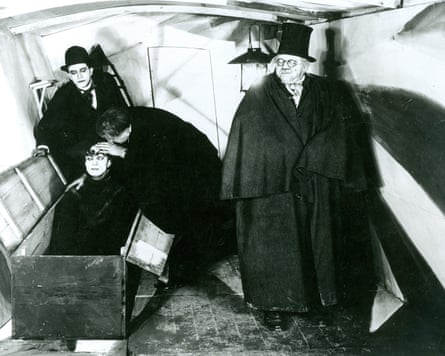
Scholars reference the boom of European artistic movements after the the Great War and the chaotic atmosphere of the post-war Germany, with movies such as classic silent horror and the iconic vampire tale.
Later occurred the Great Depression era and Universal Studios’ Frankenstein and The Wolfman.
“Consider the Dracula narrative: an outsider from the east brings a corrupting influence that permeates society and challenges its heroes,” says a historian.
“So it reflects a lot of anxieties around immigration.”
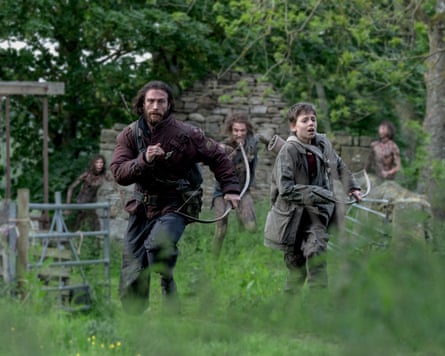
The phantom of immigration shaped the newly launched folk horror a recent film title.
Its writer-director clarifies: “My goal was to examine populist trends. For instance, nostalgic phrases promising a return to a 'better' era that excluded many.”
“Additionally, the notion that acquaintances might unexpectedly voice extreme views, leaving others shocked.”
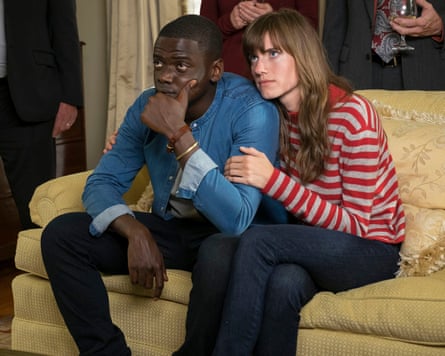
Perhaps, the modern period of acclaimed, socially switched-on horror started with a brilliant satire launched a year after a divisive leadership period.
It sparked a fresh generation of innovative filmmakers, including several notable names.
“It was a hugely exciting time,” comments a creator whose movie about a deadly unborn child was one of the period's key works.
“In my view, it marked the start of a phase where filmmakers embraced wildly creative horror with artistic ambitions.”
The same filmmaker, who is writing a new horror original, adds: “During the past decade, viewers have become more receptive to such innovative approaches.”
At the same time, there has been a reappraisal of the overlooked scary films.
Earlier this year, a new cinema opened in the capital, showing obscure movies such as a quirky horror title, The Fall of the House of Usher and the late-80s version of Dr Caligari.
The re-appreciation of this “rough and rowdy” genre is, according to the venue creator, a straightforward answer to the formulaic productions pumped out at the cinemas.
“It’s a reaction to the sanitised product that’s coming out of Hollywood. You have a film scene that’s more tepid and more predictable. A lot of the mainstream films are very similar,” he states.
“In contrast [these alternative films] are a bit broken. It’s like they’ve erupted out of someone’s subconscious and been planted out there without corporate interference.”
Scary movies continue to challenge the norm.
“These movies uniquely blend vintage vibes with contemporary relevance,” observes an authority.
Alongside the return of the deranged genius archetype – with multiple versions of a literary masterpiece imminent – he forecasts we will see scary movies in the coming years reacting to our present fears: about tech supremacy in the years ahead and “monstrous metaphors in power structures”.
Meanwhile, a religious-themed scare film The Carpenter’s Son – which depicts the events of holy family challenges after the messiah's arrival, and features famous performers as the holy parents – is scheduled to debut later this year, and will undoubtedly cause a stir through the Christian right in the US.</


